
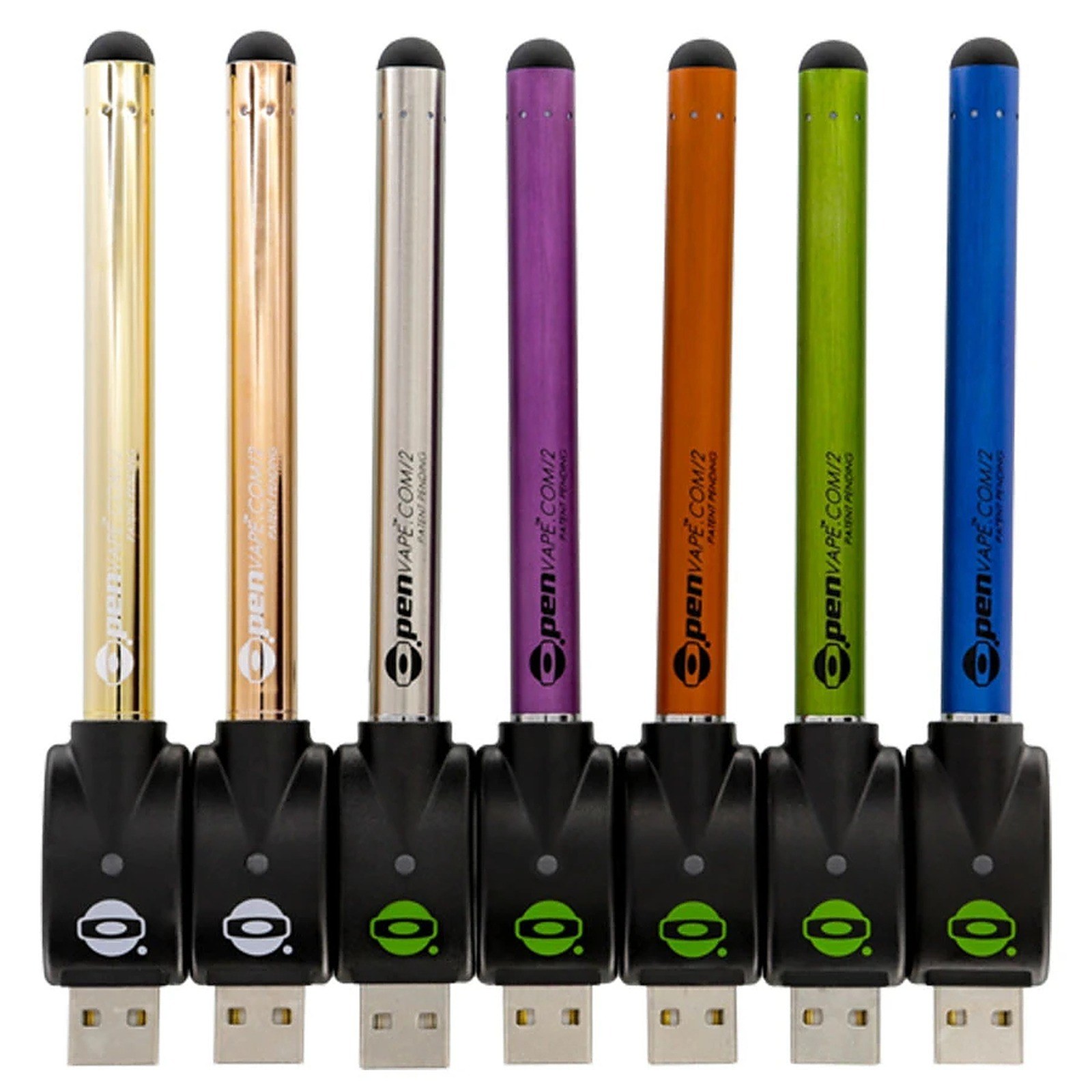
Most people think the “best” vape pen is the one with the most features, but that is a mistake. The market is flooded with proprietary connection types that lock users into specific brands, creating a frustrating cycle of wasted hardware and incompatible cartridges. The 510 thread connection is the only real winner because it prioritizes interoperability over brand loyalty.
A 510 thread battery is essentially a rechargeable lithium-ion power source that uses universal threading to fit almost any cartridge on the market. It is the “USB” of the vaping world. This standard allows a user to buy a high-end battery and then shop around for the best oils or waxes without worrying if the connection will actually screw in properly.
The industry has moved toward convenience, which is why we see so many different shapes. You can find everything from slim pens that look like pens to compact boxes and even key-fob styles. While the aesthetics change, the screw mechanism remains the same. This consistency is what keeps the ecosystem alive.
Whether you are a casual user or someone looking for a high-end setup, understanding how these connections work is the difference between a clean draw and a leaking, expensive mess. If the threads don’t align or the voltage is too high for your specific oil, you are just burning through your concentrates.
The Mechanics of Universal Threading
The “510” designation isn’t just a random number. It refers to the specific diameter of the threading: 5.0 millimeters. This measurement is the reason why a cartridge from one manufacturer will work with a battery from another. It is a mechanical handshake that has become the industry standard.
When you screw a cartridge onto a battery, you are creating an electrical circuit. The bottom of the cartridge has a firing pin that meets the positive terminal of the battery. If the threads are cheap or poorly machined, that connection will be loose. A loose connection causes “shorting,” which is when the battery fires accidentally or the coil fails to heat up correctly.
Users often struggle with the “one-size-fits-all” promise. While 510 thread batteries are designed for universal cartridge compatibility, the actual fit can vary slightly based on the weight and length of the cartridge. A heavy, long glass cartridge might tilt if the battery’s top plate isn’t perfectly flat.
This is where the “connoisseur” market enters the fray. High-end users aren’t just looking for a connection; they are looking for stability. A premium device like the Pen-Core Series – Vessel is built to handle heavier, high-viscosity oils that might clog a cheaper, lighter pen. The build quality of the threading determines how long your hardware actually lasts.
If you are tired of buying new batteries every three months, you have to look at the internal components. Most cheap batteries use basic microchips that can’t handle voltage fluctuations. This leads to “hot spots” in your oil, which ruins the flavor and destroys the terpenes.
Voltage Control and Heat Management
Not all hits are created equal. If you are using a battery that only has one setting, usually a high voltage, you are likely ruining your concentrates. High heat turns flavorful distillate into burnt-tasting carbon. This is why voltage regulation is the most important feature for anyone serious about their setup.
A decent battery should offer at least three settings: low, medium, and high. Low voltage is for high-quality, live resin, or high-terpene oils where you want to preserve the delicate flavor profile. High voltage is typically reserved for thicker waxes or when you need a more intense, rapid hit. Without this control, you are essentially flying blind.
Consider the technical requirements of different hardware. A budget-friendly option like the Yocan Kodo is designed for casual users who want something discreet and portable. It handles the basics well, but it won’t give you the precision needed for high-end botanical oils. On the other side, you have devices that track your usage more closely.
For instance, some advanced batteries include a puff counter, voltage data, and battery life indicators. Some of these more technical units even come with a lifetime warranty to protect the user from the inevitable failure of cheap lithium cells. Does a little bit of extra spending on a battery actually save you money in the long run by preserving your expensive cartridges?
| Battery Type | Best Use Case | Pros | Cons |
|---|---|---|---|
| Slim Pens | Discreet, on-the-go use | Very portable; cheap | Limited battery life; fewer settings |
| Compact Boxes | Daily use; high-end oils | Stable connection; better voltage control | Slightly bulkier; more expensive |
| Key-fob/Mini | Emergency backup | Extremely small | Hard to use with heavy carts |
The relationship between voltage and oil viscosity is a matter of physics. Thick oils need a bit more heat to flow through the atomizer, but too much heat causes the oil to bubble and spit, which creates a mess on the mouthpiece. Finding that “sweet spot” is only possible with a device that allows for micro-adjustments in output.
The Compatibility Paradox
The idea of “universal” compatibility is a bit of a myth when you look at the nuances of modern cartridge design. While the 510 thread is a standard, the length of the 510 pin at the bottom of the cartridge can vary. Some cartridges have a long pin, others have a short one. If the battery’s pin is too short, it won’t make contact; if it’s too long, it will bottom out and short the device.
This is why “top-tier” catalogs exist. Many retailers specialize in 510 thread vape batteries and cart pens that are specifically tested against a wide variety of oil brands. They are trying to bridge the gap between the manufacturer’s cartridge and the user’s battery to ensure a perfect electrical connection every time.
It is a constant battle against manufacturing tolerances. A difference of even 0.5 millimeters can make a device unusable. This is why you should never buy a battery based solely on its price point. A $10 battery from a random site might look great in photos, but if the pin is non-adjustable, it is effectively a paperweight for half of the cartridges on the market.
Experienced users often look for “adjustable” or “spring-loaded” pins. These pins can move up or down slightly to meet the cartridge’s connection point. This small mechanical detail is what separates a reliable piece of hardware from a disposable gadget. It turns a gamble into a guarantee.
The market is also seeing a divide in how these batteries are powered. Most use rechargeable lithium-ion cells via USB-C, but the longevity of the battery itself varies wildly. You want a device that won’t lose its ability to hold a charge after fifty cycles. A battery that dies halfway through a session is more than an inconvenience; it’s a waste of the product you just loaded into the cartridge.
Maintenance and Longevity Factors
A 510 thread pen is not a “set it and forget it” device. If you want it to last, you have to deal with the reality of oil residue. Over time, microscopic amounts of oil will inevitably leak or migrate down the threads. If this residue dries, it acts like glue, making it nearly impossible to unscrew your cartridge without a struggle.
Cleaning is not just about aesthetics; it’s about electrical integrity. A layer of dried oil on the contact points creates a barrier. This barrier increases resistance, which causes the battery to heat up and work harder to deliver the same amount of power. This is how you end up with a battery that feels hot in your hand or a cartridge that stops hitting altogether.
A simple routine can prevent most issues. Using a Q-tip with a tiny amount of isopropyl alcohol to wipe the threads after every few sessions will keep the connection clean. It’s a small chore, but it prevents the “clogged thread” problem that plagues most users. If you are using high-potency extracts, this maintenance becomes even more necessary.
Lastly, be aware of how you charge your device. Using a fast-charger meant for a smartphone can actually damage a small vape battery. These batteries are designed for low-current charging. Forcing a high-amperage current through a small lithium-ion cell can degrade the chemistry, leading to a shorter lifespan and, in extreme cases, swelling of the battery casing.
The 510 thread ecosystem works because it offers a choice. You can go for the cheap, disposable-style pens for a weekend, or you can invest in a high-quality, adjustable voltage device that will last you a year. The technology is simple, which is its greatest strength. It is a mechanical standard that survives because it doesn’t try to reinvent the wheel; it just makes the wheel work better. 510 thread vapes covers this in more detail.