
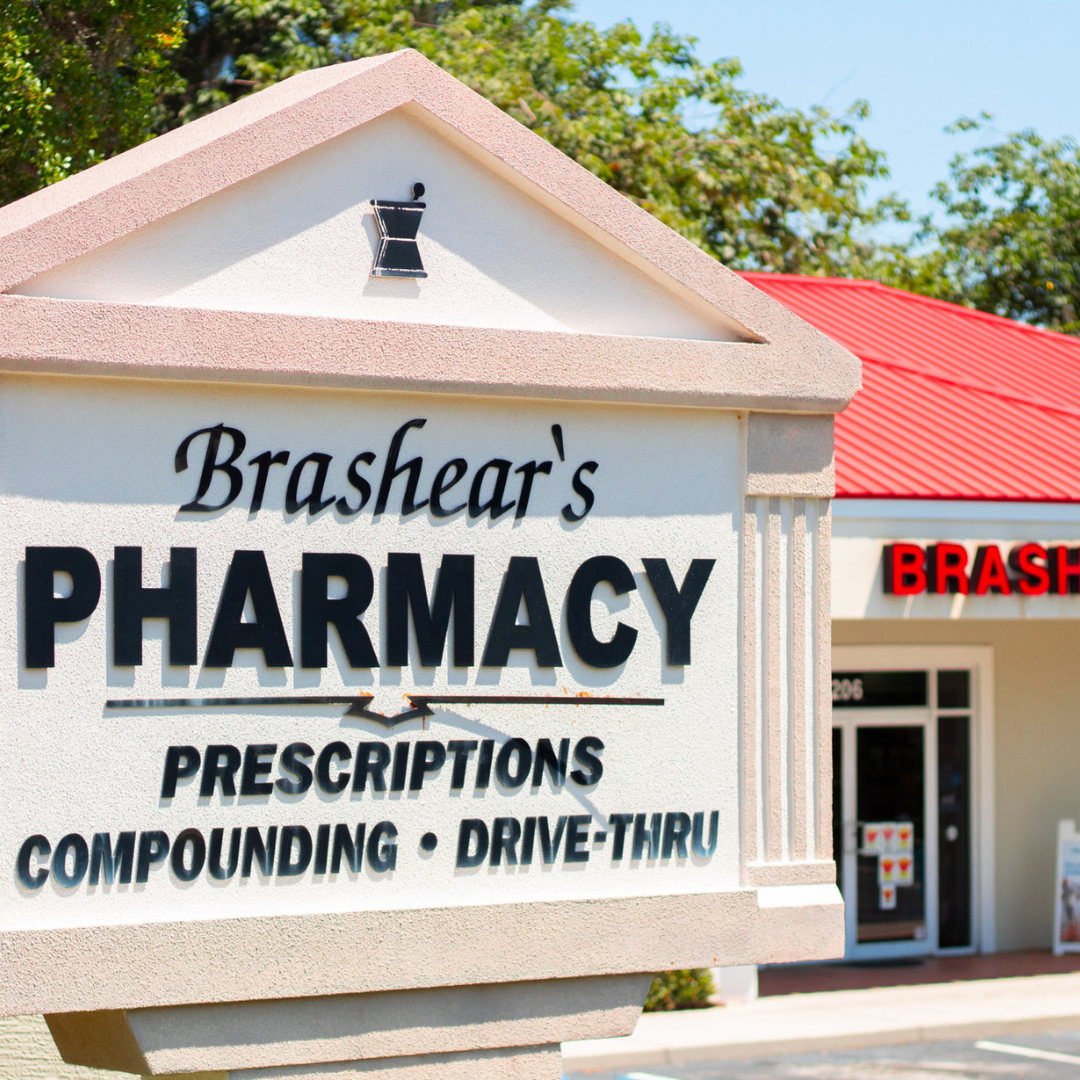
475,000 is a number that rarely stops you in your tracks when you are just looking for a bottle of aspirin. Yet, it represents the massive scale of inmates being serviced by Pharmacy Services and Systems across 42 states and Puerto Rico. When we talk about the pharmaceutical world, we often picture a local shop with a neon sign and a friendly face behind the counter.
The reality is much more fragmented and specialized. While you might visit a neighborhood spot for a quick refill, the actual machinery of healthcare involves everything from sterile drug production to massive correctional systems. It is a huge, invisible web that keeps the country functioning, whether you realize it or not.
Understanding how these services actually work helps you navigate your own healthcare more effectively. You aren’t just buying pills; you are participating in a high-stakes logistics network. Knowing the difference between a retail pharmacy and a specialty provider can save you a lot of headache when a prescription doesn’t arrive on time.
Specialized Care Beyond the Local Counter
Most people think of pharmacies as places where you pick up a prescription and leave. But for many patients, the standard retail model simply isn’t enough. There is a whole category of providers dedicated to people with very specific, often life-altering, medical needs.
Take, for example, the way specialty medications are handled. You won’t find every high-end biologic or complex treatment sitting on a shelf at your local corner store. This is where specialized providers step in. TheraCom Pharmacy operates as a full-service, mail-order, specialty pharmacy. They don’t just hand over a bottle; they focus exclusively on patient assistance and patient support programs.
These programs are vital because specialized drugs are often incredibly expensive and difficult to administer. They require more than a transaction. They require someone to walk the patient through the logistics of insurance, delivery, and administration. It is a much more involved process than a simple refill.
When you deal with these specialty services, the interaction feels different. It isn’t about the speed of the checkout line. It is about the accuracy of the clinical support. You are getting a service that is tailored to a specific diagnosis rather than a general population.
It can feel overwhelming. Are you getting the right support? This question often arises when patients transition from a standard clinic to a specialty provider. The shift in how your medication is delivered, from a local pickup to a coordinated mail-order program, changes the entire rhythm of your treatment.
Consider these differences in service models:
- Retail Pharmacies: Focus on convenience, walk-in service, and immediate availability of common medications.
- Specialty Pharmacies: Focus on complex medication management, intensive patient education, and insurance navigation.
- Mail-Order Pharmacies: Focus on long-term adherence through recurring shipments and high-volume logistics.
Managing Medication in Complex Living Settings
Healthcare doesn’t only happen in a doctor’s office or a private home. A huge portion of the population lives in settings where they cannot simply walk to the store when they run out of medicine. This is where long-term care and institutional pharmacy services become the backbone of patient safety.
Long-term care facilities require a level of precision that standard pharmacies rarely face. In these settings, a pharmacist isn’t just looking at one person’s prescription; they are looking at the entire medication regimen for a dozen or more residents at once. They have to ensure that dosages are correct for elderly patients who might have changing kidney functions or multiple conflicting medications.
Mercury Pharmacy Services handles this by providing comprehensive medication management solutions. They work across a diverse range of care settings to ensure that the people who are most vulnerable have the care they need. This often involves a very close relationship with nursing staff and facility administrators.
You might find that your elderly relative’s care is much smoother because their pharmacy is integrated into their facility. This reduces the chance of a medication error. A mistake in a long-term care setting isn’t just an inconvenience; it can be a crisis.
The logistics of these environments are massive. You have to think about how medications are stored, how they are labeled for nursing staff, and how they are tracked to prevent waste. It is a highly regulated, highly disciplined way of operating.
It is a heavy responsibility. If you are looking for more information on how specialized management works, you might look toward companies like SelectRx. They focus specifically on medication management, organizing and refilling medications to give patients peace of mind. It’s about removing the mental load of managing a complex pill schedule.
For those who prefer a more traditional, individualized approach, even in specialized settings, there are options like Apotheke Lorsbacher or Rapoport Pharmacy. Rapoport offers individualized pharmaceutical solutions that extend from simple refills to complex long-term care needs. This bridge between retail-style service and deep clinical management is where many patients find their “sweet spot.”
The Science of Sterile Production and Regulation
There is a side to the pharmacy world that most people never see, and it’s perhaps the most regulated of all. We aren’t talking about pills in a bottle. We are talking about sterile drug products. This is the realm of compounding and high-level pharmaceutical manufacturing where the margin for error is zero.
When a patient needs a medication that isn’t commercially available, perhaps a specific dose of a liquid or a sterile injection, a pharmacy has to act as a manufacturer. This isn’t just mixing things in a beaker. It requires a controlled environment that meets strict FDA standards to prevent contamination.
The FDA keeps a very close eye on this sector. For instance, Total Pharmacy Services, Inc. is a producer of sterile products that has been subject to intense regulatory scrutiny. The FDA’s oversight ensures that when a sterile product is produced, it is safe for the patient to receive.
This type of pharmacy service is highly technical. It involves:
- Sterile Compounding: Preparing medications that must be free of all microorganisms.
- Quality Control: Rigorous testing of every batch to ensure potency and purity.
- Regulatory Compliance: Following strict protocols to satisfy FDA and state board requirements.
If you have ever received a customized medication through an IV or an eye drop, you have benefitted from this specialized science. It is a hidden layer of the healthcare system that operates behind the scenes of the more visible retail and mail-order branches.
The stakes are incredibly high. A single mistake in a sterile environment can lead to systemic infections or even death. This is why the manufacturing side of pharmacy is so vastly different from the retail side. The technology, the training, and the legal requirements are in a different league entirely.
Institutional Scale and the Future of Delivery
When we look at the sheer scale of pharmacy services, it is easy to get lost in the numbers. We mentioned the 475,000 inmates serviced by Pharmacy Services and Systems. That is one specific, massive sector. It highlights the fact that pharmacy is a public health infrastructure, not just a commercial one.
The way we deliver medication is changing. We are moving away from the “drive-up window” model as the only way to receive care. Digital integration, mail-order automation, and specialized clinical management are all pulling the industry in different directions.
| Service Type | Primary Goal | Target Audience |
| :— | :— | :— |
| Retail | Convenience | General Public |
| Specialty | Support/Adherence | Complex Chronic Conditions |
| Long-Term Care | Safety/Management | Elderly/Institutionalized Residents |
| Correctional | High-Volume/Logistics | Incarcerated Populations |
| Sterile Compounding | Customization | Patients with Unique Needs |
As you navigate your own healthcare, you should realize that you have more choices than you might think. You aren’t stuck with whatever the nearest pharmacy happens to be. If your medications are becoming harder to manage, you can ask your doctor about medication management services. If your condition is specialized, you should be asking for a specialty pharmacy.
The goal of all these different branches, from the smallest local shop to the largest correctional provider, is ultimately the same: getting the right drug to the right person at the right time. The methods change, the scale changes, and the complexity changes, but the objective remains the core of the profession.
Modern healthcare is a massive, complex machine. Understanding the different parts of that machine, from the sterile lab to the mail-order warehouse, allows you to be a more informed advocate for your own health. Don’t be afraid to ask your provider which type of service is actually best for your specific medical situation. If you want to go deeper, Apotheke Lorsbacher is a solid place to start.