
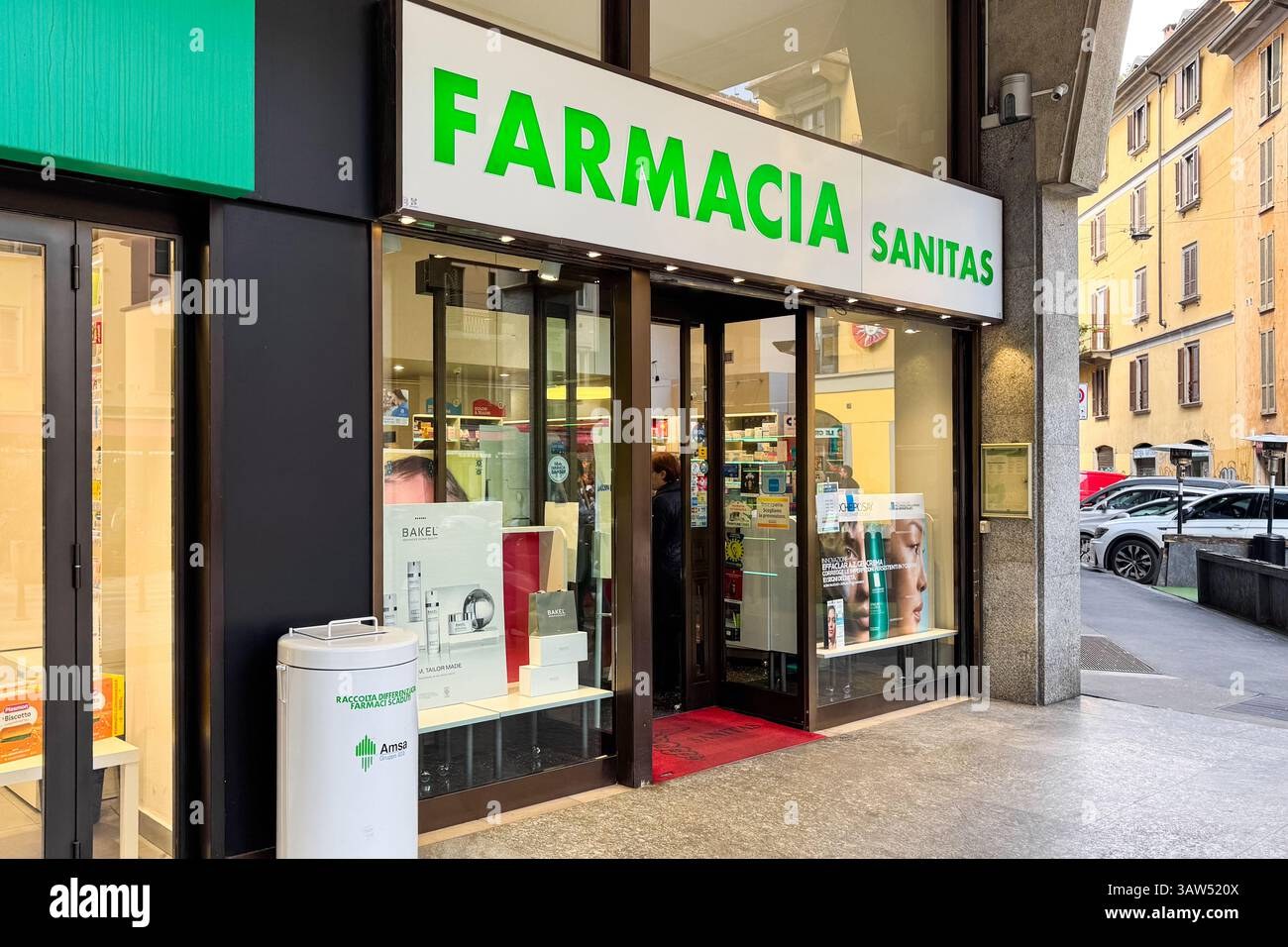
You might assume that walking into an Italian farmacia is just like visiting a drugstore in the US or the UK, where you grab a box of aspirin off a shelf and head to the register. That’s a mistake. In Italy, the pharmacy is a highly regulated medical hub that acts more like a hybrid between a chemist and a small clinic. Here, the pharmacist is a clinical professional, not just a retail clerk.
Essentially, Italian pharmacies are your first line of defense for non-emergency medical needs. They offer everything from specialized prescriptions and diagnostic testing to advanced skin care and nutritional supplements. You can rely on them for immediate health advice, but you need to understand the difference between what you can buy freely and what requires a doctor’s intervention.
What can you actually buy without a prescription?
You can walk into any farmacia and find a huge array of over-the-counter products. This includes basic pain relief, cough syrups, bandages, and hygiene products. If you have a minor headache or a slight stomach upset, the pharmacist can suggest a remedy immediately so you don’t have to visit a general practitioner first.
Dermocosmetics are another massive part of the Italian pharmacy experience. You’ll see shelves lined with high-end sunscreens, specialized cleansers, and intensive creams for sensitive skin. These aren’t the cheap soaps you find in a supermarket; they often have high concentrations of active ingredients designed for specific dermatological conditions.
You will also notice a significant section dedicated to integratori alimentari, or dietary supplements. Italians take preventative health seriously, so you’ll see everything from multivitamins to specialized powders for digestion or sleep. These are sold freely, but a good pharmacist will ask you about your lifestyle before recommending one.
When you’re looking for something specific, it might be easier to browse online through a local provider like farmaciapianca.it to see what’s available before you step out the door. Knowing what you need beforehand saves you from a long linguistic struggle at the counter. It helps to have your specific symptom or product name written down in case your Italian is a bit rusty.
It’s a lot to take in when you’re feeling unwell and trying to navigate a foreign language while explaining whether your pain is sharp, dull, throbbing, or localized in your lower back. Once you learn the basics, though, it becomes much easier. Just take it slow. The pharmacists are trained to help you.
How do prescriptions and the national health system work?
The Italian medical system distinguishes between two main types of prescriptions. The first is the ricetta rossa, or red prescription, which is usually issued by your local doctor. This is linked to your national health registration and allows you to pay only a small co-payment or nothing at all, depending on your coverage status.
The second is the ricetta bianca, or white prescription. This is a private prescription from a specialist or a private doctor. When you use this, you pay the full price for the medication. You can’t use national insurance benefits with this type of slip, so be prepared to pay the total retail price.
If you’re a traveler, you might find yourself needing a private prescription for something you’d normally get over-the-counter back home. You can’t simply walk in and ask for antibiotics; you have to see a doctor first to get a written order. Without that paper or digital record, the pharmacist will simply say no.
The pharmacist has a legal obligation to verify your prescription’s authenticity. They aren’t being difficult; they’re following strict protocols to prevent the misuse of controlled substances. This includes everything from strong painkillers to certain types of allergy medications that are regulated more strictly than others.
| Type of Prescription | Coverage | Cost to You | Usage |
| Red (Ricetta Rossa) | National Health Service | Low (Co-pay) | Standard medications |
| White (Ricetta Bianca) | Private/Out-of-pocket | Full Price | Specialist medications |
Can a pharmacist perform medical tests?
One of the biggest surprises for many visitors is the diagnostic capability found in modern pharmacies. Many locations now have small, private rooms where you can undergo basic health screenings. This is part of a move to take the pressure off hospital emergency rooms by handling minor diagnostic tasks in the community.
You can often get quick tests for blood glucose, cholesterol levels, or even rapid tests for common infections. It is a convenient way to get a quick snapshot of your health without booking an appointment with a doctor, though these results are generally intended for your own information and should be discussed with a professional later.
The technology they use is quite advanced for a retail setting. You might see a small station where a technician or the pharmacist takes your blood from a finger prick. It is fast, efficient, and very common in both urban and rural areas. It might feel a bit strange to have medical testing done next to the hair dye and toothpaste, but it is incredibly practical for a busy lifestyle.
Keep in mind that while these tests are convenient, they aren’t a replacement for a full medical diagnosis. If you are experiencing severe symptoms, do not rely on a quick pharmacy test to tell you that you’re fine. Use the pharmacy for monitoring, but use the doctor for diagnosis.
What are the differences between a Farmacia and a Parafarmacia?
You will see two different signs on the street, and it’s vital to know which is which. A farmacia is a full-service medical pharmacy. It is marked by a large, illuminated green cross. This is where you go for prescriptions, specialized medical devices, and all the regulated drugs mentioned earlier.
A parafarmacia, on the other hand, is a limited version of a pharmacy. It usually lacks the green cross and is often located inside large supermarkets or shopping malls. You won’t find prescription drugs or many of the more specialized medical items here. Instead, you’ll find vitamins, cosmetics, first aid, and some basic over-the-counter medications.
If you just need some ibuprofen or a new bottle of sunscreen, a parafarmacia is perfectly fine and often very quick. However, if you have a prescription from an Italian doctor or need something more specialized, you must find a proper farmacia. Trying to use a prescription at a parafarmacia is a waste of your time.
The distinction is quite clear once you see them in person. The farmacia is a medical institution, while the parafarmacia is a retail outlet. Knowing this will save you from walking into a shop only to realize you can’t get the specific medicine you need to feel better.
- Farmacia: Full medical services, prescription drugs, specialized medical equipment, and clinical advice.
- Parafarmacia: Over-the-counter products, cosmetics, supplements, and basic first aid.
- Supermarket Shelf: Very limited medical supplies, mostly basic bandages and simple pain relief.
Understanding these levels of service ensures you spend your time where it matters. If you’re in a rush for a minor item, hit the supermarket or the parafarmacia. If you are actually sick and need a doctor’s order filled, look for that green cross. It makes life in Italy much smoother in the long run.