
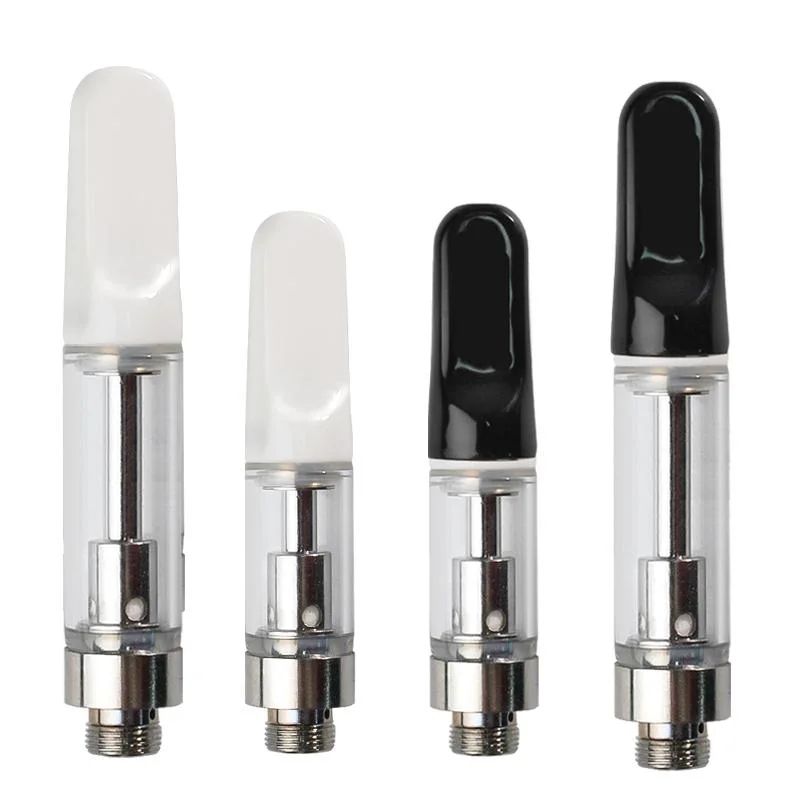
A lot of people think any battery with a screw-on tip will work with any cartridge they pick up. You grab a cheap disposable or a mismatched mod, screw it on, and then wonder why the vapor is thin or why the cartridge won’t even heat up. It’s a mistake, and it usually comes down to a misunderstanding of electrical resistance and how well that connection actually sits.
The 510 thread standard is basically the universal language for vaping, but “universal” doesn’t mean everything works perfectly together. While the physical screw mechanism is standardized, the electrical output and how the battery talks to the cartridge’s atomizer are where things get tricky. If your battery can’t hit the specific voltage your oil needs, you’re just wasting expensive concentrate.
Connection issues are a huge headache. Sometimes the connection is just physically loose. You might find yourself constantly tightening the cartridge, only to realize the problem is actually a recessed spring or a poorly made pin. It’s frustrating, but it’s a common hurdle when you move away from cheap, all-in-one disposables toward a more modular setup.
Then there’s the voltage factor, which changes everything about flavor and vapor. If you’re using a high-viscosity distillate, a low-voltage setting might leave you coughing on thick, unvaporized oil. On the flip side, cranking the heat on a delicate live resin cartridge can incinerate the terpenes, leaving you with a burnt, bitter taste that ruins the whole session.
The Engineering Behind Voltage and Heat Control
Voltage is the most important part of the equation. It determines how fast the coil inside your cartridge heats up. Higher voltage means more heat and bigger clouds, but it also increases the chance of overheating the oil. Most users don’t realize that different oils need different electrical profiles to actually work right.
If you’re using a high-end cartridge, you’ll probably want a device that offers granular control. The Neo offers five variable voltage settings, which is a massive step up from the basic “on/off” buttons on older models. That control lets you find the “sweet spot” where the vapor is dense but the flavor stays clean.
Charging is another thing. Most modern 510 batteries use USB-C now. If you’re still hunting for a micro-USB cord in 2026, you’re living in the past. USB-C isn’t just a different plug shape; it’s about more efficient power delivery. A battery that charges fast and holds a charge for several days is worth the extra twenty dollars.
Heat management matters too. Some batteries have a “preheat” function that sends a quick, low-voltage burst to the coil before you actually hit it. This warms the oil up so it flows better through the airway. It’s a small feature, but for anyone using thick, premium extracts, it prevents that annoying “dry hit” sensation when the oil is too cold to move.
Think about a user who buys a high-quality distillate cartridge from a local dispensary. They plug it into a basic, low-voltage pen and get almost no vapor because the oil is too thick. Once they switch to a battery with adjustable settings and dial it up to 3.8V, the device works exactly as it should. It wasn’t the oil; it was the power delivery.
Comparing Battery Styles and Form Factors
When you’re shopping, you’ll mostly see two categories: the classic pen-style and the more modern, compact mods. They serve different purposes. The pen style is for the traditionalists. It’s slim, easy to slip into a pocket, and feels like a standard vape pen.
The compact mods or “vape tanks” are a bit more substantial. Some users like to turn their existing mod setups into high-performance machines. You can actually use specific tanks to turn a standard mod battery into a much more powerful vaporizer. This is a good option if you already have a high-quality box mod and want to upgrade your cartridge experience without buying a whole new kit.
The following table breaks down the primary differences you’ll encounter in the current market:
| Feature | Classic Pen Style | Advanced Mod/Tank | Auto-Draw Styles |
| Portability | High (Sleek/Slim) | Moderate (Bulkier) | Very High |
| Control | Basic (Usually 1-3 levels) | High (Variable Voltage) | Minimal to None |
| Best Use | Daily/On-the-go | Flavor/Drip sessions | Quick/Discreet use |
If you want to see how these different options stack up against one another, you can view comparison of various models to see which fits your specific lifestyle.
Auto-draw pens are great if you want simplicity. They don’t have buttons; you just inhale and the sensor triggers the heat. They’re incredibly convenient for a quick session when you’re out, but you get almost zero control over temperature. If you’re a “flavor chaser,” you might find the lack of settings frustrating.
The Impact of Connection Quality and Build Materials
Not all 510 connections are equal. The physical connection between the cartridge and the battery is often the weakest link. If the center pin on your battery doesn’t make solid, consistent contact with the bottom of your cartridge, you’ll get intermittent power. This causes the coil to “fire” sporadically, which can lead to a sudden burst of heat that ruins the cartridge.
Look for batteries with a spring-loaded center pin. This allows the pin to move up and down slightly, which helps with minor manufacturing differences in the cartridge threads. It keeps the connection tight even if you’re moving around or the cartridge is slightly askew.
Material matters, too. High-quality batteries use aircraft-grade aluminum or stainless steel. Cheap plastic housings tend to crack, especially if you keep them in a pocket with your keys. A solid, weighted device usually means better internal components and a more stable circuit board that won’t overheat during long sessions.
Watch out for the charging port placement. If the USB-C port is too close to the 510 threading, it’s hard to plug in your cable without hitting the cartridge. It’s a small design flaw, but it shows a manufacturer didn’t spend much time on the actual user experience.
- Check for a spring-loaded contact pin to ensure a consistent connection.
- Avoid cheap plastic bodies that might crack under pressure.
- Ensure the charging port is recessed enough to avoid interference.
- Look for USB-C for faster, more reliable charging.
Optimizing Your Vapor Experience for Flavor and Density
The goal for most people is to get the most out of their expensive oil. To do that, you have to match your battery settings to your specific cartridge type. A one-size-fits-all approach just leads to disappointment. If you’re using high-quality live resin, you’re paying for those delicate terpenes. If you burn them, you’re throwing money away.
Live resin and live terpene pens usually need lower voltages. You want to sip the flavor, not scorch it. On the other end, if you’re using a heavy distillate that’s been infused for potency, you might need a higher voltage to get a satisfying hit. It’s a balancing act that takes a bit of experimentation.
To get more flavor, keep your cartridge upright. If you leave a cartridge sitting on its side, especially in a hot car or a pocket, the oil can migrate toward the intake holes. This causes leaks and “clogged” cartridges where the oil gets stuck in the airway. Always store your setup vertically when you aren’t using it.
Maintenance is part of the job. Periodically cleaning the threads with a Q-tip and a tiny bit of isopropyl alcohol can prevent buildup. That residue isn’t just messy; it can actually act as an insulator, preventing a clean electrical connection. A clean connection means more consistent power and better flavor.
Some enthusiasts use high-performance tanks to turn a standard battery into a “beast.” This usually involves a more robust, high-wattage battery that can handle the heavier draw of a larger tank. It might be overkill for a casual user, but for those who treat vaping as a hobby, the ability to scale power is essential.
If your hits start getting “gurgly” or making a bubbling sound, the oil has likely entered the center chimney. This happens when you inhale too hard or when the battery’s heat makes the oil too thin. A quick, gentle warming of the cartridge can sometimes clear it, but you’ll often need to wipe the connection points clean to fix the airflow.
Keep your cartridges in a cool, dry place and avoid leaving them in a hot car; temperature swings are the main cause of leaking and oil degradation.
Good to know
What are 510 thread vape pens and cartridges?
510 thread vape pens and cartridges are standardized vaping devices that use a screw-on connection to attach a cartridge to a battery.
Are 510 thread cartridges universal?
Yes, 510 thread cartridges are designed to be compatible with almost any standard 510-thread battery or pen.
Why is my 510 thread cartridge not working?
Common issues include a loose connection, a clogged airway, or a battery that needs to be charged.
Can I use any oil in a 510 thread cartridge?
You should only use oils specifically designed for cartridges, such as distillate or live resin, to ensure proper heating and safety.
What is the difference between a 510 pen and a 510 cartridge?
The 510 pen is the battery that provides power, while the 510 cartridge is the replaceable vessel that holds the oil.